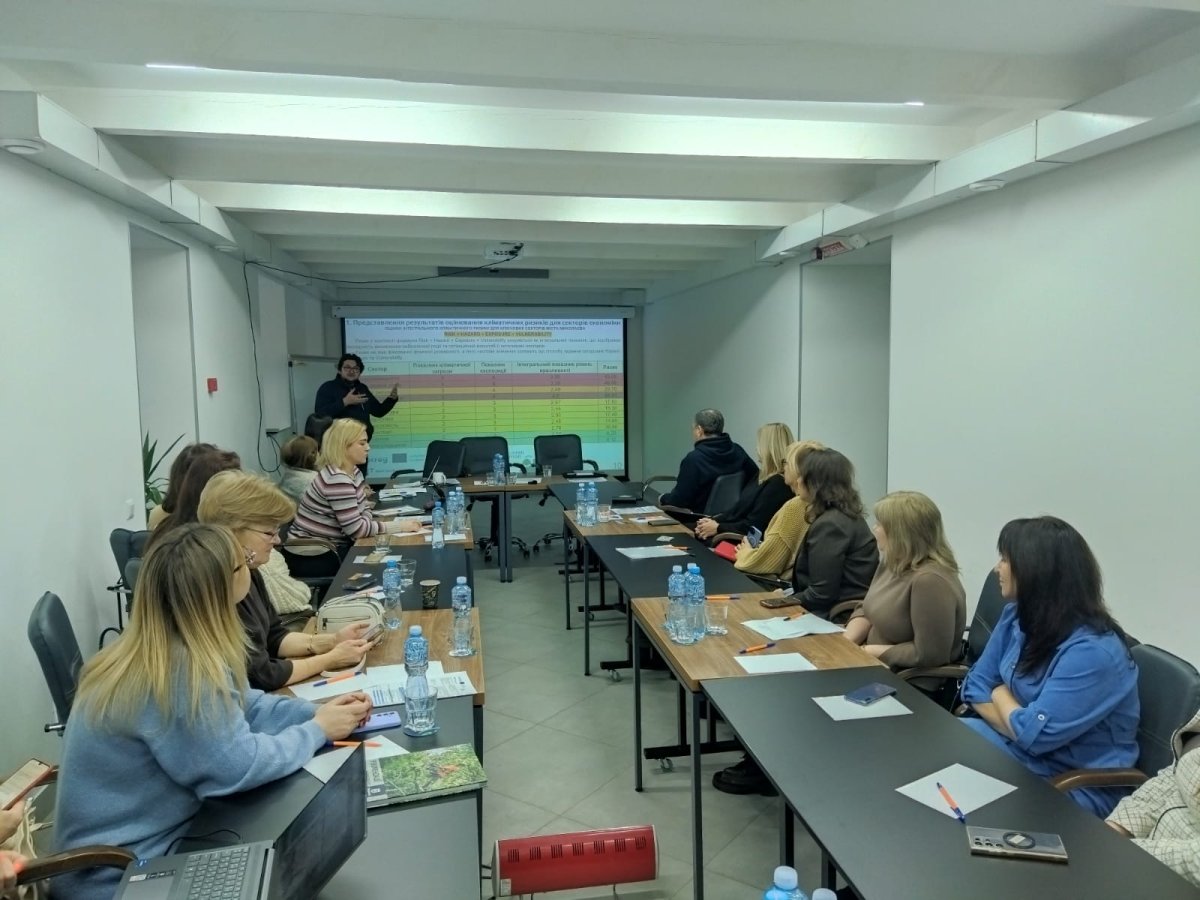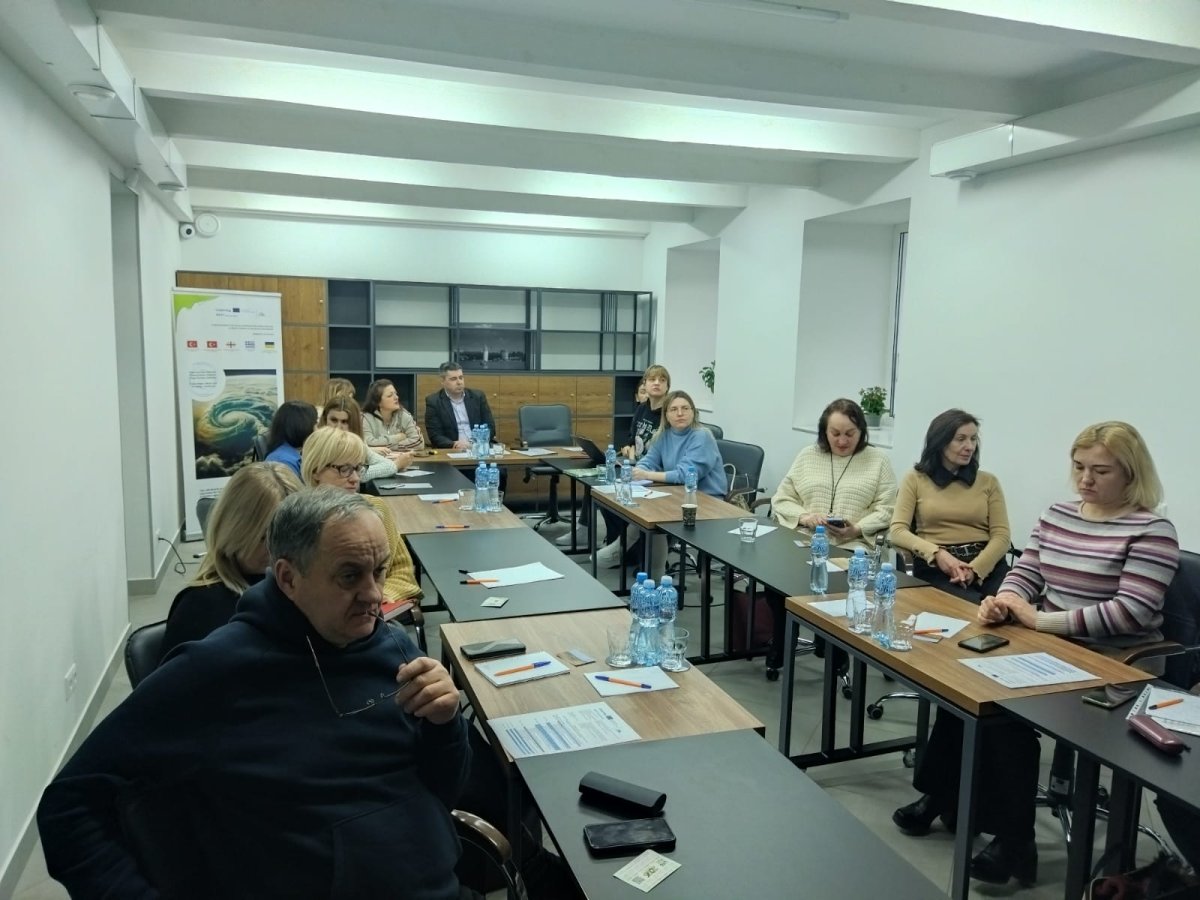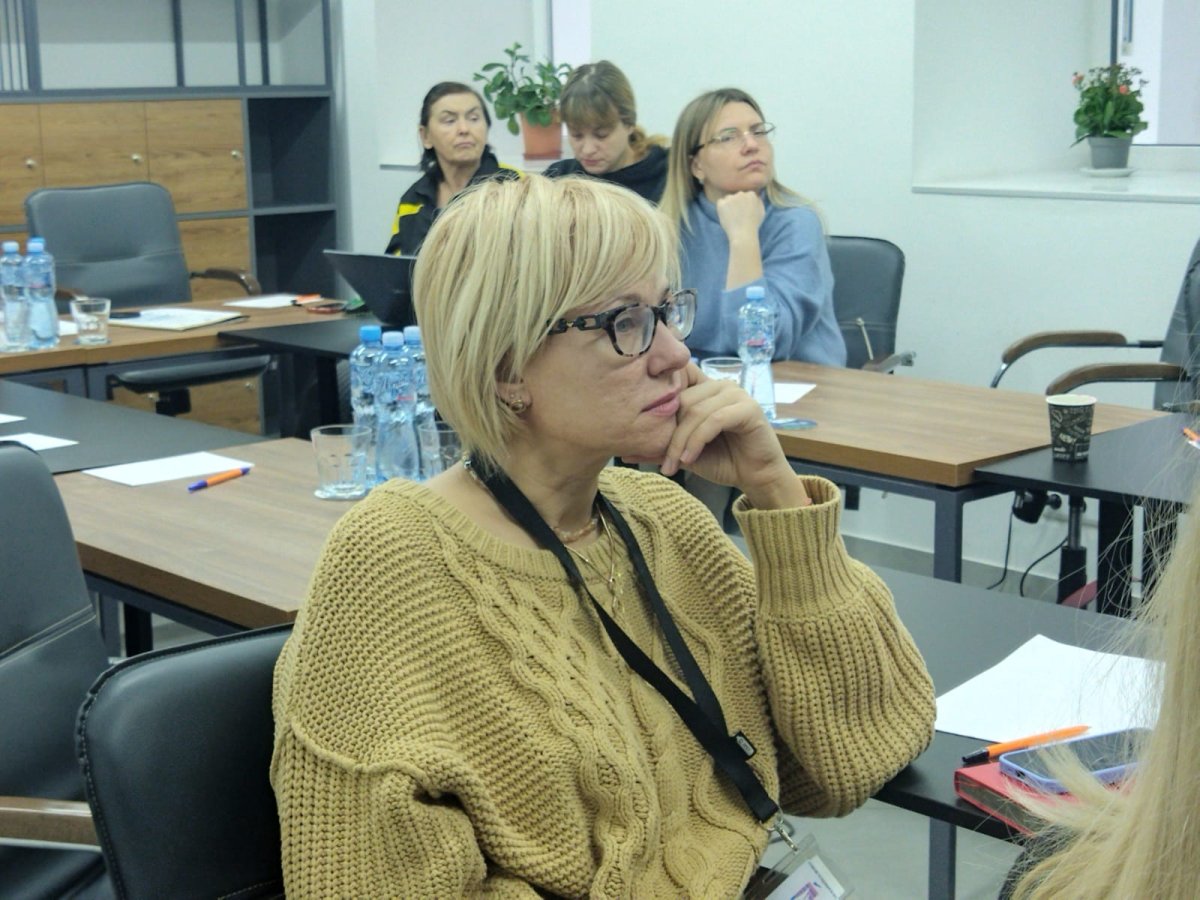
In his opening remarks, Artem Vashchylenko, Executive Director of the Ukrainian Association of Business Support Centers and Head of the Expert–Public Council, emphasized the importance of involving diverse stakeholders and young people in the process:
“Mykolaiv has a long-standing tradition of involving the community in managerial decision-making. Today, colleagues of different ages have joined us. Our young colleagues have already prepared their own proposals for the city’s adaptation. This helps make the document dynamic, practical, and responsive to the needs of real people. It is initiatives like these that make the strategic planning process as transparent and understandable as possible for the community,” he noted.
First Deputy Mayor Vitalii Lukov stressed that the Adaptation Plan should not remain merely a paper document but become a truly effective tool for the city:
“It is important for us to create a plan that is not just a document on paper, but one that actually works for the city and its residents. We want this document to have a clear foundation around which people will gather—those who are willing to get involved, contribute ideas, and become co-creators of the process. The more people understand the essence of the plan and join in, the easier it will be to implement. The key is to define the principles and norms by which we will live, while at the same time engaging conscious, environmentally literate citizens. There are still too few of them, and the more we involve, the easier it will be to take the right, forward-looking steps. The Adaptation Plan is not yet about living strictly by the rules of a document; it is about forming a shared understanding of how we want to develop the city and then jointly translating these principles into practice,” the official emphasized.
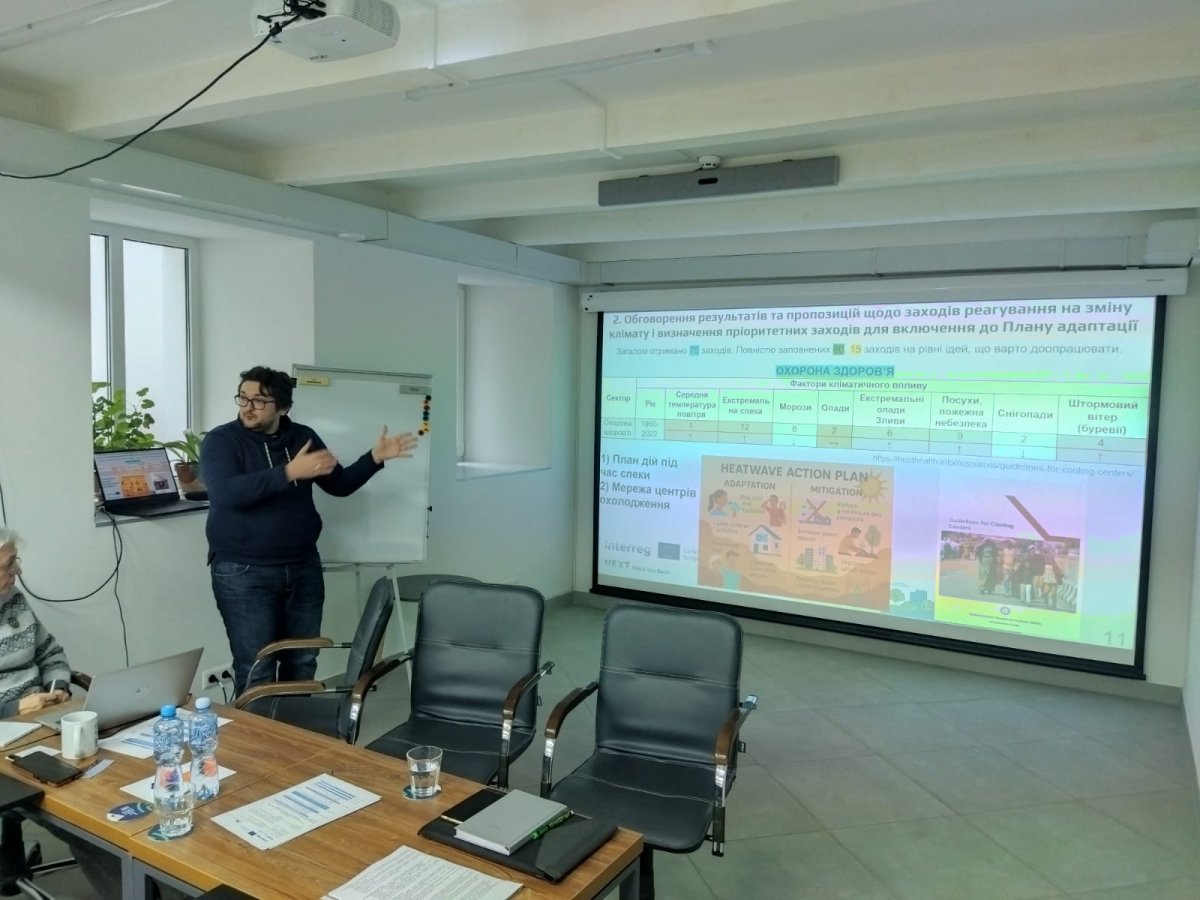
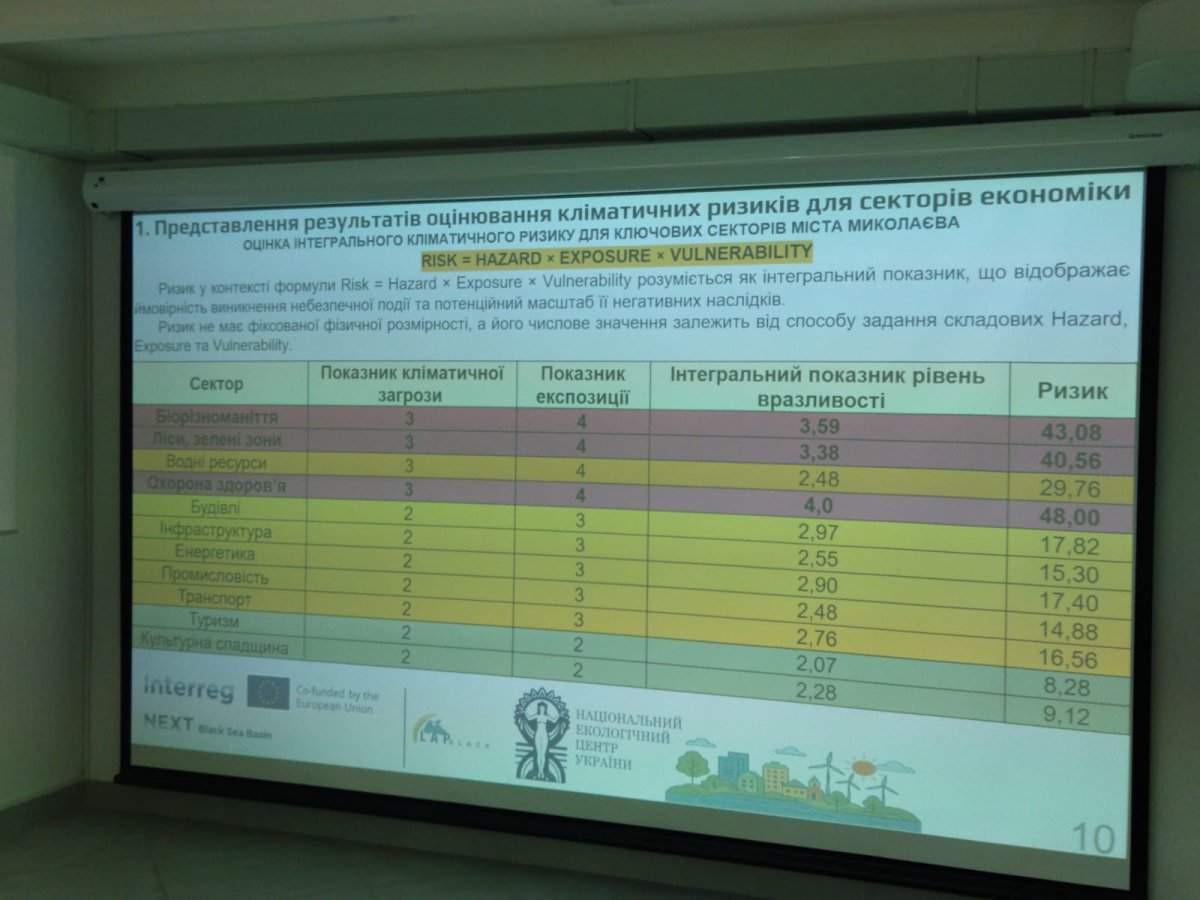
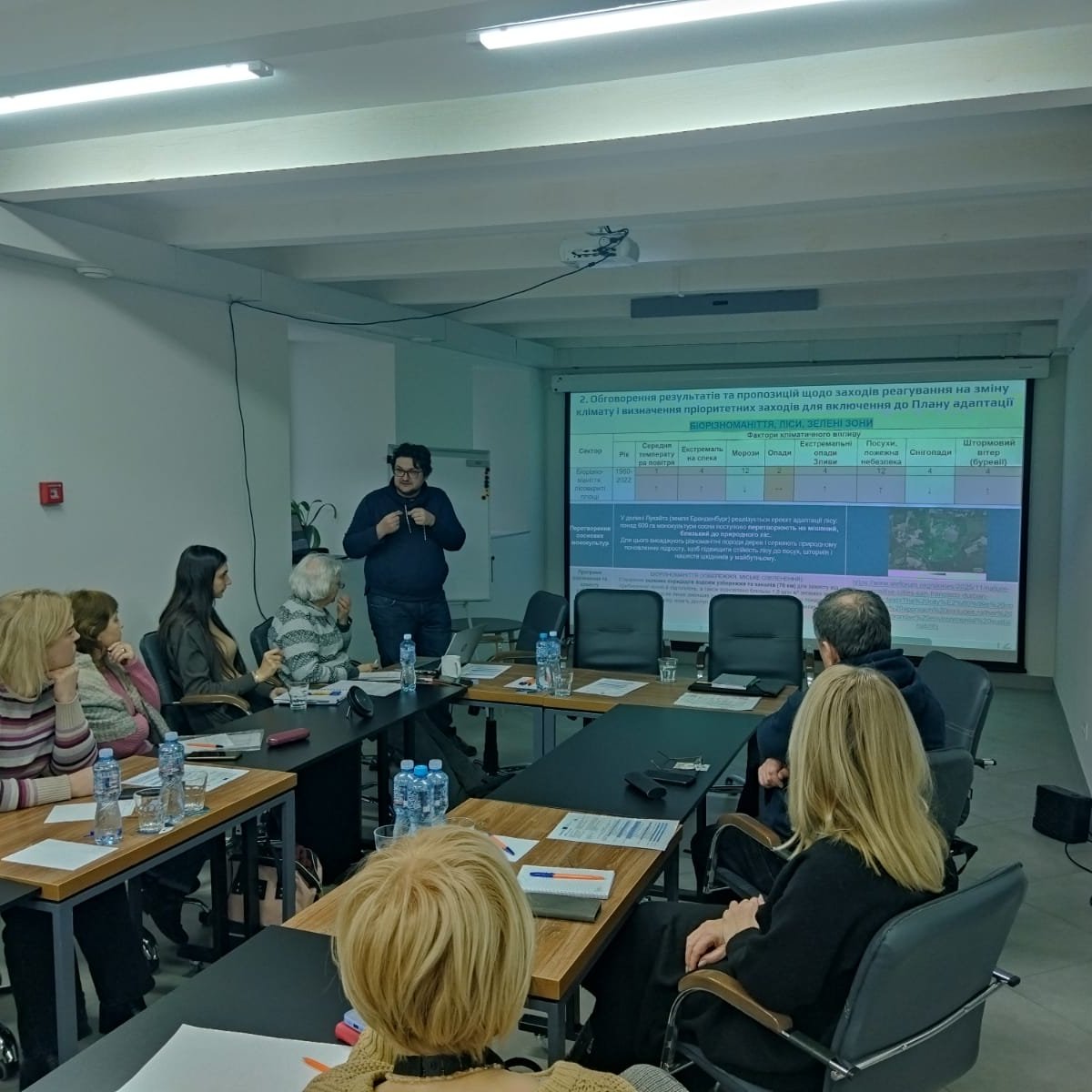
The meeting moderator, Dmytro Hulivets, PhD in Technical Sciences and Head of the Kyiv Branch of the National Ecological Centre of Ukraine, presented the results of the climate risk assessment. He highlighted the importance of teamwork and thanked each member of the working group for their proposals aimed at minimizing and preventing the identified risks.
The meeting also focused on specific measures to adapt the city to climate change. Discussions covered the restoration of river ecosystems with ensured public access to water, as well as the development of recreational areas. Proposals were voiced to introduce a unified tree passport system, expand urban greening, and develop clear rules for the maintenance of green spaces. Until new regulations are adopted, a moratorium on rejuvenation pruning of trees is envisaged. Special attention is being given to the creation of a “Rain Park” in the Yunost district as an experimental green area. These measures will enable the integration of best European practices into the future policy document.
Work on discussing the Adaptation Plan measures will continue. Members of the working group plan to thoroughly elaborate potential actions to be included in the Plan, discuss implementation mechanisms, identify potential responsible stakeholders and indicative timelines, and develop approaches for monitoring effectiveness. Such collaborative efforts will make it possible to shape the Adaptation Plan as a practical instrument capable of increasing the city’s resilience to the impacts of climate change.
The development of Mykolaiv’s Adaptation Plan is being carried out within the Interreg NEXT Black Sea Basin 2021–2027 programme (LAP-BLACK project), funded by the European Union and implemented by the Ukrainian Association of Business Support Centers. The initiative aims to strengthen the capacity of local communities to respond to climate challenges and to develop practical solutions for coastal regions of the Black Sea.