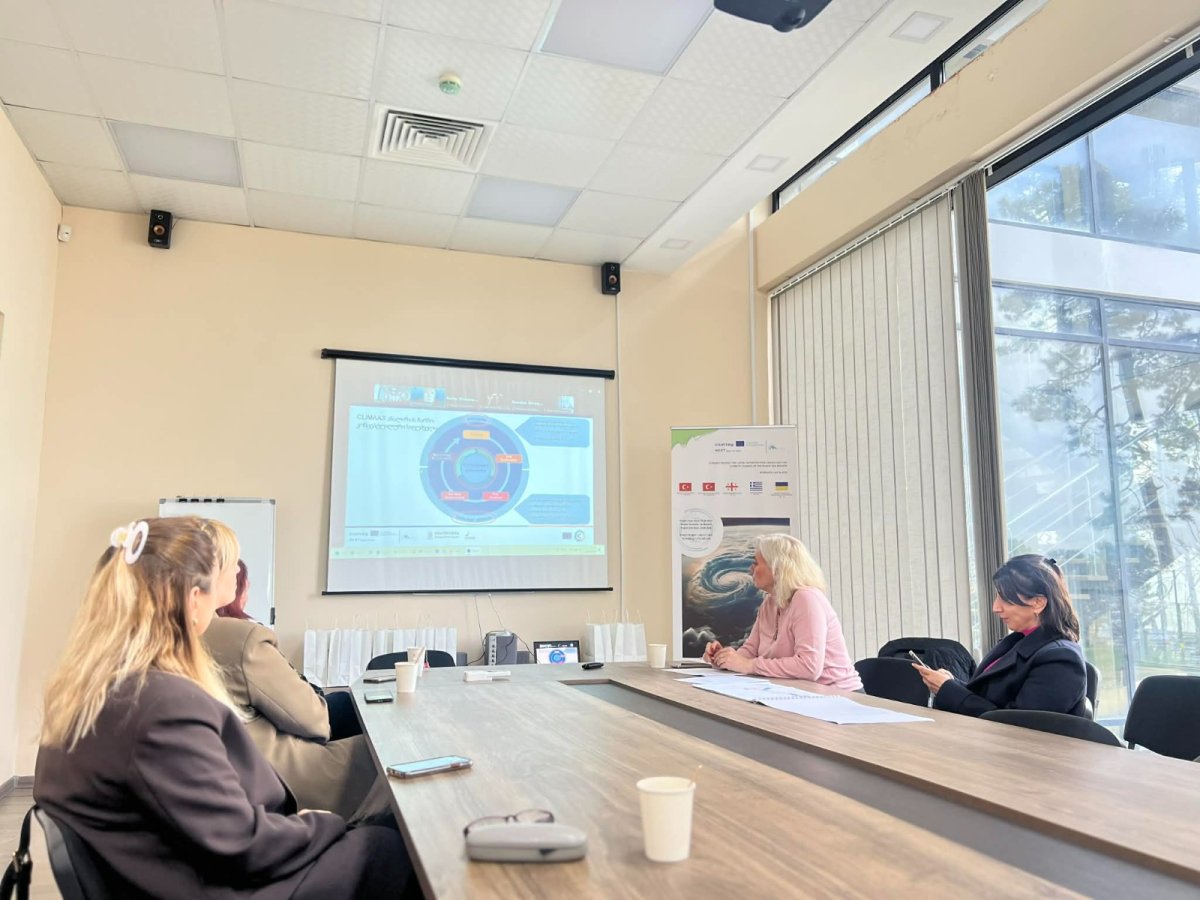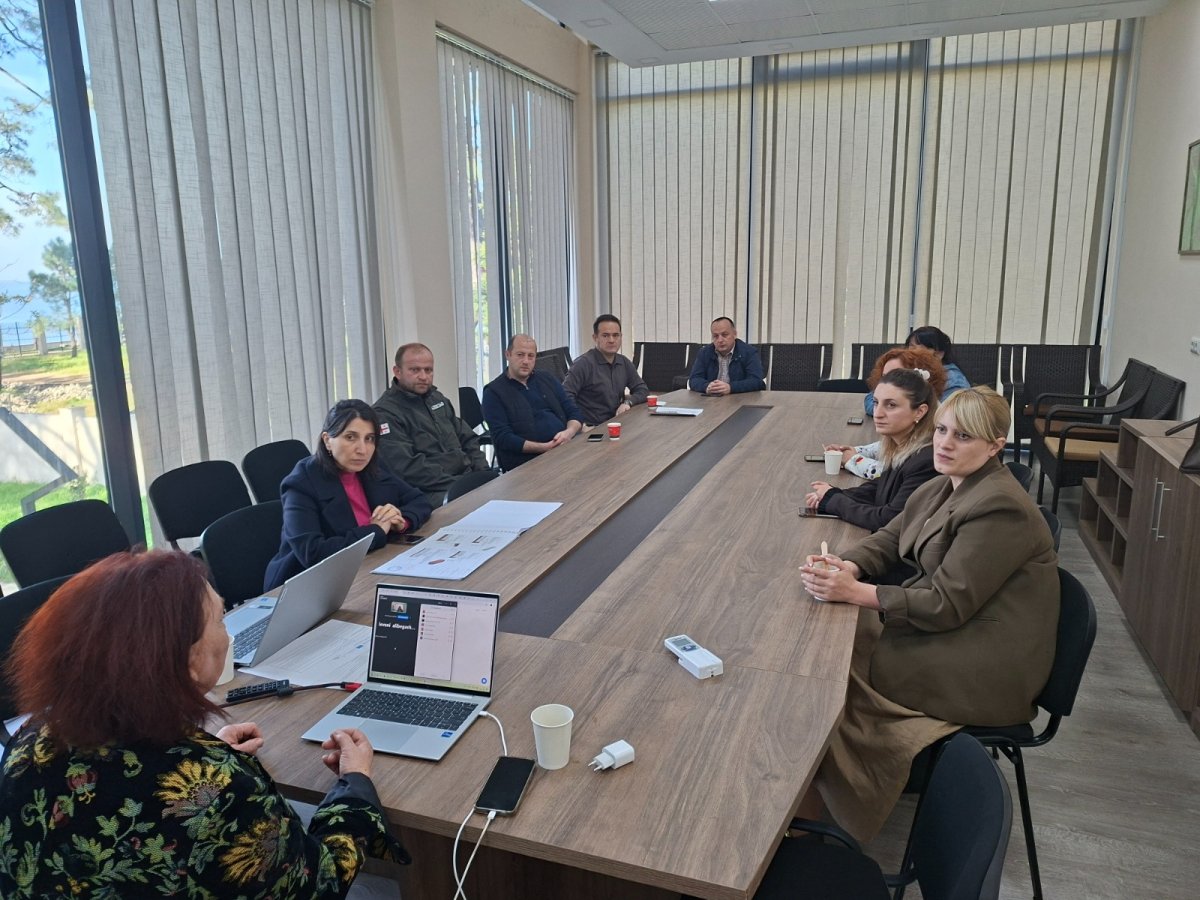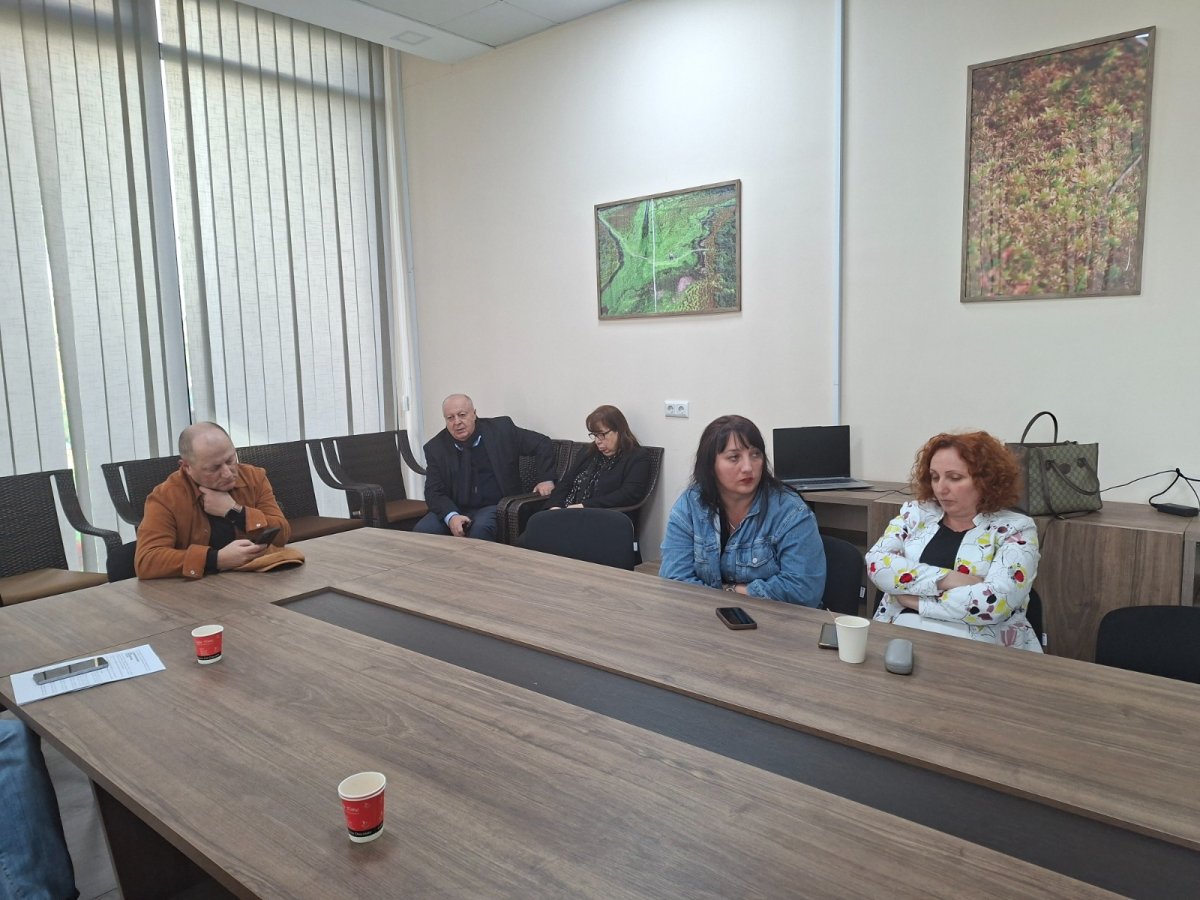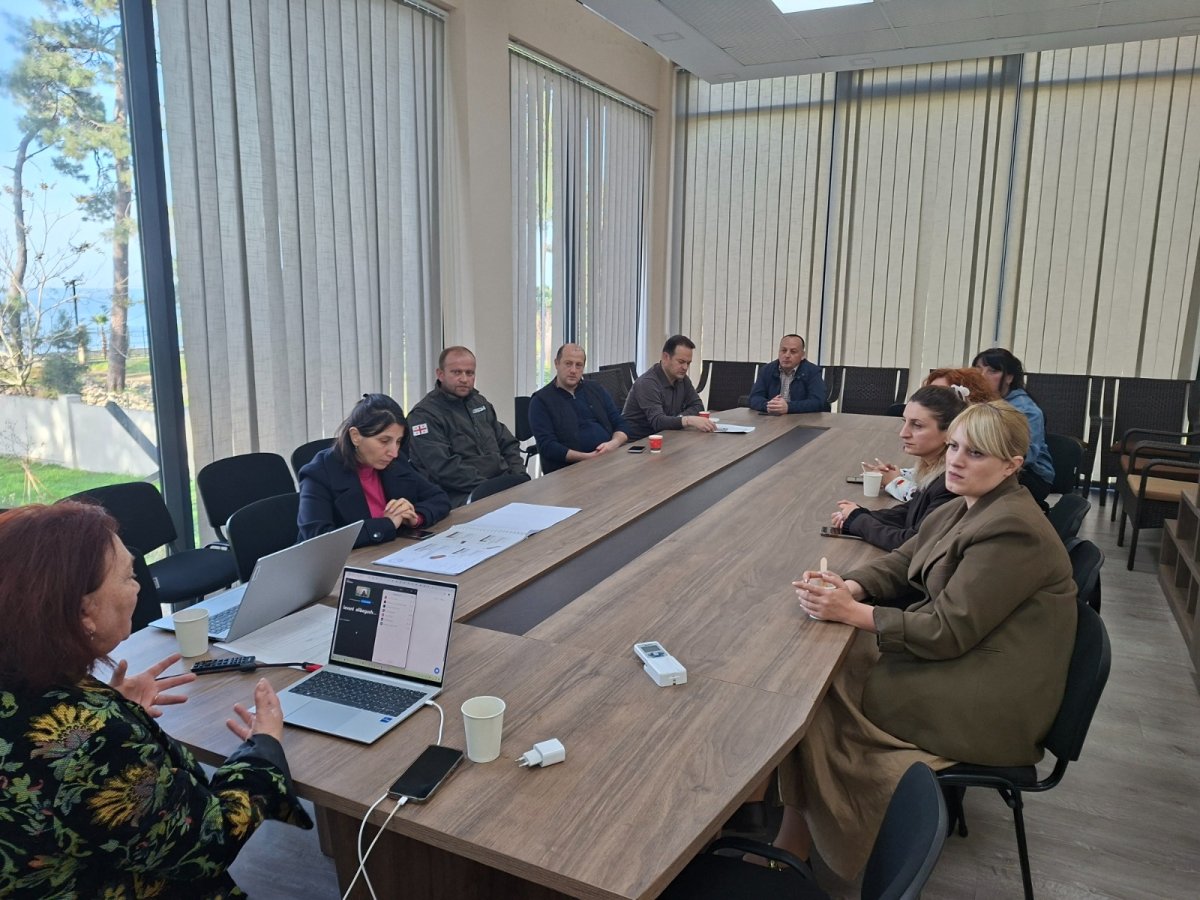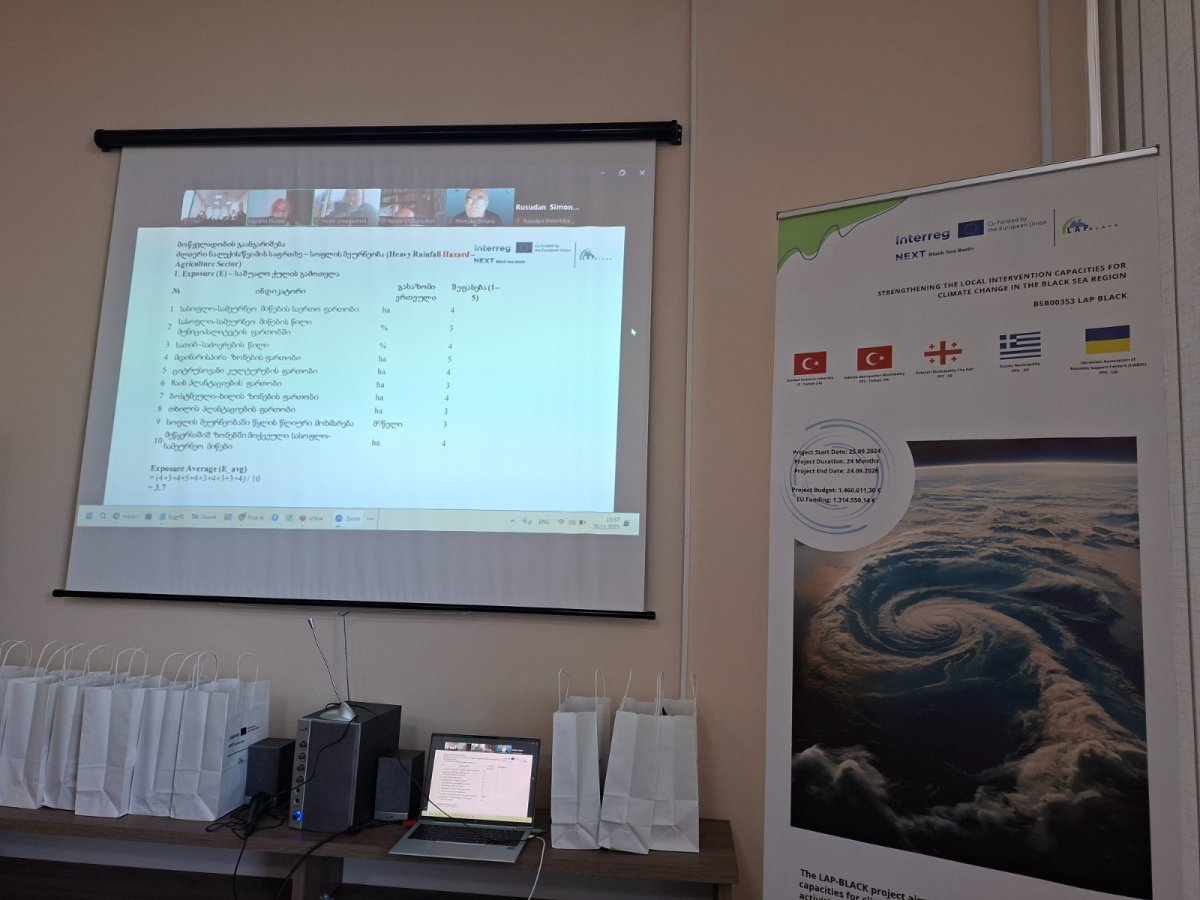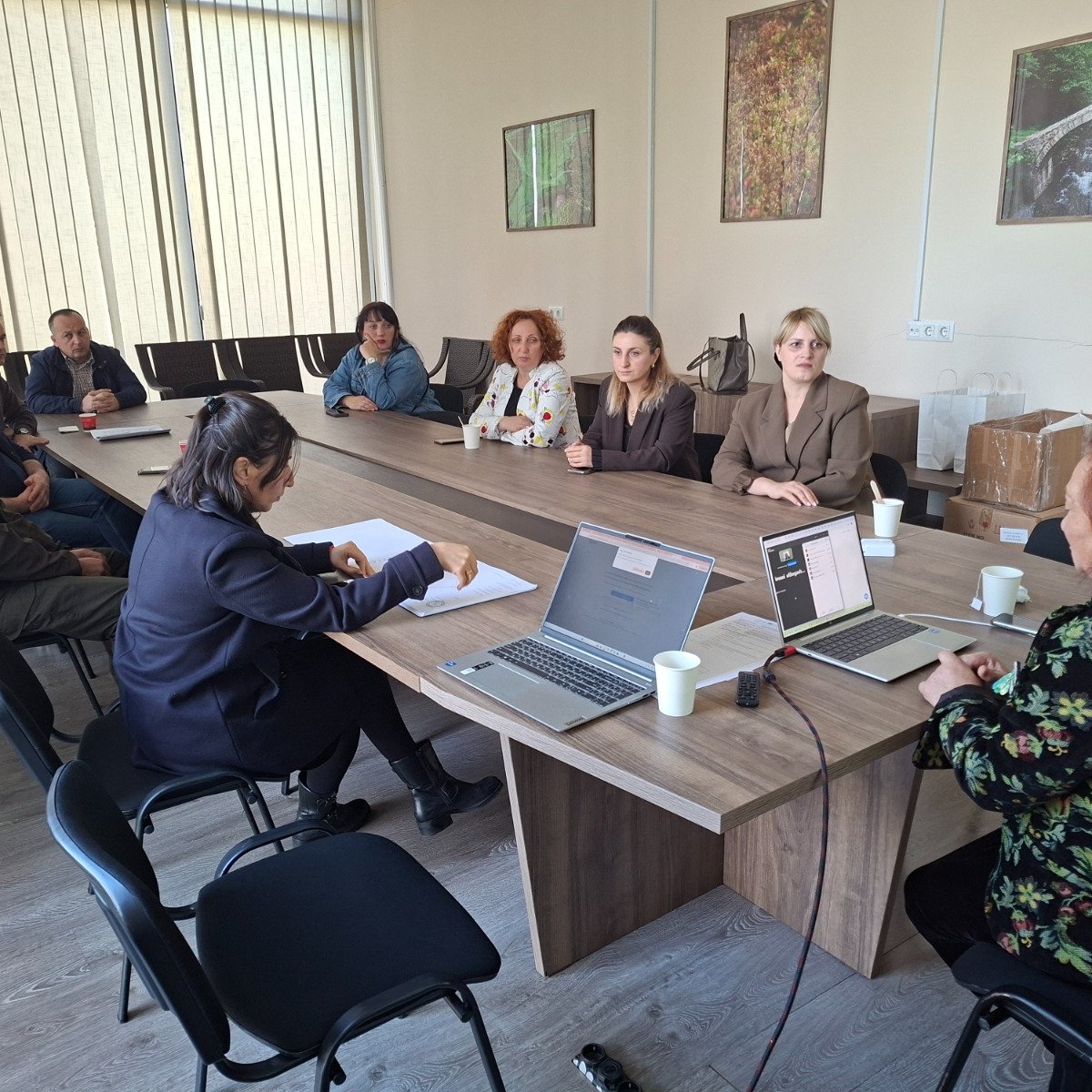
During the session, presentations were delivered on the vulnerability and risks of the Local Climate Adaptation Plan. Participants also reviewed the methodological and technical aspects of climate risk assessment, and examined a working model for risk analysis and prioritization using the agricultural sector as an example.
The meeting also included a discussion on the project’s infrastructure component — the Gelauri Sustainable Park. Participants offered several recommendations related to vegetation planning and other design aspects.rn
A significant part of the discussion focused on the ongoing process of identifying and assessing climate risks in Kobuleti Municipality. International studies presented at the meeting highlighted long-term projections and concerning trends, particularly the high risk of sea level rise by 2100, which poses a potential threat of coastal flooding in parts of the municipality.rn
As part of the project, research activities will continue, and a comprehensive recommendation document will be developed, based on best international practices, to guide prevention and mitigation measures against natural hazards.rn
At the conclusion of the meeting, it was agreed that an additional working session will be held by the end of 2025, during which two key documents will be presented in their final form:
- Determining the effects of Climate Change for Kobuleti Municipality
- Conducting Risk Assessment
These documents will form the foundation of the municipality’s Local Adaptation Plan.rn
Through this participatory process, Kobuleti Municipality continues to build a solid foundation for an effective Local Climate Change Adaptation Plan. The LAP will not only help address immediate challenges but will also provide a model for sustainable decision-making and resilience planning for other municipalities across the region.